Many people associate fluid loss with thirst, dry mouth, or fatigue, but can dehydration cause shortness of breath as well? The short answer is yes. Adequate hydration plays a vital role in maintaining smooth respiratory function, optimal blood circulation, and cellular oxygen transport throughout the human body.
When total body water drops below healthy physiological levels, the cardiovascular and pulmonary systems work significantly harder to deliver essential oxygen to vital organs. As a result, even mild to moderate fluid deficits can trigger unexplained breathlessness, rapid shallow breathing, or chest discomfort.
The Physiological Link Between Hydration and Respiratory Health
To understand how fluid loss impacts breathing, it helps to examine the underlying relationship between blood volume, mucosal health, and oxygen distribution. Water constitutes roughly 60% of total adult body weight and forms a large component of human blood plasma.
When fluid intake falls short, blood volume decreases, causing blood to thicken and flow less efficiently through small pulmonary capillaries. Consequently, the respiratory system compensates by increasing breathing rates to make up for reduced cellular oxygen uptake.
How Dehydration Triggers Breathing Difficulties
Several specific physiological mechanisms explain why fluid deficits lead to respiratory strain.
| Mechanism | Physiological Effect | Respiratory Outcome |
| Reduced Blood Volume | Decreases cardiac output and circulating plasma volume | Faster, shallow breathing to maintain oxygen levels |
| Thickened Airway Mucus | Dries lining of nasal passages and bronchial tubes | Airway irritation, persistent cough, and tightness |
| Electrolyte Imbalance | Disrupts sodium, potassium, and calcium balance | Diaphragm fatigue and respiratory muscle weakness |
| Compensatory Tachycardia | Elevates resting heart rate to maintain blood pressure | Rapid breathing (tachypnea) and physical exhaustion |
Reduced Blood Volume and Oxygen Transport
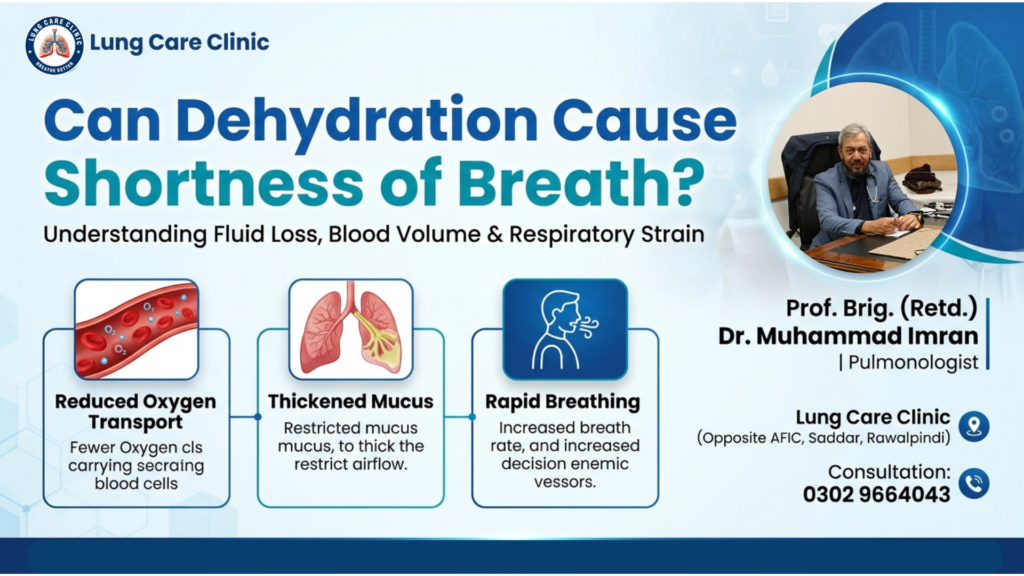
Plasma consists of over 90% water. When dehydration sets in, total circulating blood volume shrinks. As blood becomes thicker, the heart must pump faster to deliver oxygenated blood to body tissues. Because each red blood cell carries oxygen less efficiently under low-volume conditions, the brain signals the lungs to breathe faster, leading directly to breathlessness.
Thickened Mucus Secretions in Airways
Healthy airways are lined with a thin, watery layer of protective mucus that traps dust, allergens, and pathogens. When body water drops, this protective lining dries out and thickens considerably. Sticky mucus clogs small airways, increasing breathing resistance and provoking airway spasms or dry coughing.
Electrolyte Imbalances and Muscle Fatigue
Hydration regulates critical electrolytes, including potassium, sodium, and magnesium. These minerals control muscle contractions, including those of the diaphragm and intercostal chest muscles. When fluid and electrolyte levels fall out of balance, these primary breathing muscles experience premature fatigue, cramp-like sensations, and reduced expansion capacity.
Elevated Heart Rate and Hyperventilation
A drop in fluid volume lowers blood pressure. To compensate and maintain stable blood flow to vital organs, the body releases stress hormones like adrenaline, raising the resting heart rate. This physiological stress response naturally triggers rapid, shallow breathing (tachypnea), making you feel winded even while resting.
Key Signs That Dehydration Is Affecting Your Lungs
Recognizing the warning signs of fluid-related respiratory stress helps prevent complications. Common indicators include:
- Unexplained breathlessness during routine, low-effort activities
- A dry, hacking cough caused by dry bronchial passages
- Rapid heart rate accompanied by shallow or hurried breathing
- Dark yellow urine, dry tongue, and lightheadedness
- Tightness in the chest during deep inhalation
When to See a Pulmonologist for Breathlessness
While drinking fluids usually restores normal breathing if mild dehydration is the cause, persistent shortness of breath should never be ignored. In many cases, fluid loss acts as a trigger that unmasks underlying respiratory conditions like bronchial asthma, chronic obstructive pulmonary disease (COPD), or post-viral airway hypersensitivity.
You should seek medical evaluation from a chest specialist if your breathlessness:
- Persists even after rehydrating with water and electrolytes
- Is accompanied by chest pain, high fever, or chronic wheezing
- Prevents you from speaking full sentences comfortably
- Worsens when lying down flat in bed
Specialist Respiratory Assessment at Lung Care Clinic
If you experience recurrent or severe breathing difficulties, a professional clinical evaluation is essential. At Lung Care Clinic in Saddar, Rawalpindi, patients receive comprehensive diagnostic care to differentiate simple fluid-related stress from chronic pulmonary disorders.
The clinic operates under the direct care of Prof. Brig. (Retd.) Dr. Muhammad Imran, a renowned pulmonologist and chest specialist with over 35 years of clinical and academic expertise across leading institutions, including PEMH and AFIC.
Clinical Services Offered:
- Advanced Pulmonary Function Testing (Spirometry): Accurately evaluates airway resistance and total lung capacity.
- Asthma and COPD Management: Provides targeted inhaler therapies, lifestyle guidance, and personalized care plans.
- Diagnostic Bronchoscopy: Performs precise airway evaluations using modern, standardized diagnostic equipment.
Location, Timings & Appointment Details
For specialist consultation regarding persistent shortness of breath or respiratory discomfort:
- Clinic Address: Kohistan Tower, Mahfooz Road (Opposite AFIC), Saddar, Rawalpindi
- Consultant: Prof. Brig. (Retd.) Dr. Muhammad Imran (Pulmonologist)
- Appointment Line: 0302 9664043
Frequently Asked Questions (FAQs)
Can drinking water instantly cure shortness of breath from dehydration?
Rehydrating helps restore blood volume and thin airway mucus, but recovery takes time as fluids absorb. If breathlessness is severe or stems from an underlying lung issue, medical treatment may be required.
Does electrolyte loss affect breathing muscles?
Yes. Essential electrolytes like potassium and magnesium regulate muscle function. Low levels can weaken the diaphragm, making deep breathing feel difficult and tiresome.
Can dehydration trigger an asthma attack?
Yes. Fluid loss dries out the protective mucosal lining of bronchial airways, making them hyper-sensitive to airway irritation, temperature changes, and asthma triggers.
How do I schedule an appointment with Dr. Muhammad Imran?
You can book a consultation directly by calling 0302 9664043.