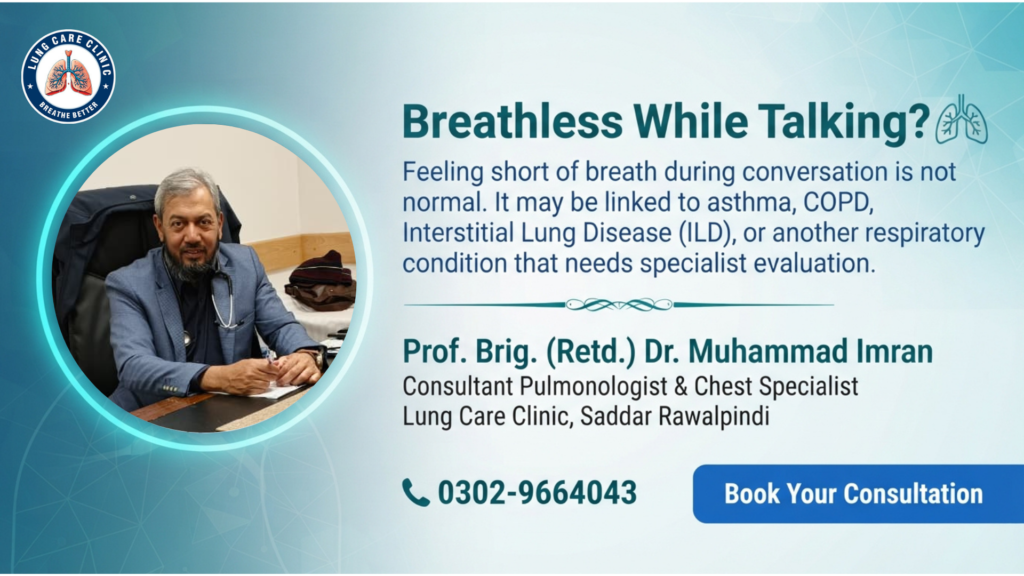
Feeling Breathless While Talking can be worrying, especially if it happens during normal conversations. While everyone may occasionally become short of breath after intense physical activity, struggling to speak comfortably during routine conversation is not considered normal. It may indicate that your lungs are not delivering enough oxygen or that your airways are not functioning properly.
Many people ignore this symptom, assuming it is due to aging or poor fitness. However, persistent breathlessness while speaking can be an early warning sign of an underlying respiratory condition. Early diagnosis and appropriate treatment can help improve breathing and prevent complications.
Is It Normal to Feel Breathless While Talking?
No. Most healthy people can carry on a conversation without becoming short of breath.
When you become Breathless While Talking, it often means your lungs are working harder than usual to meet your body’s oxygen needs. Even simple activities like speaking require coordination between your lungs, airways, diaphragm, and breathing muscles.
If any part of this system is affected, breathing may become difficult during conversation.
How Does Talking Affect Breathing?
Speaking requires a steady flow of air from the lungs through the vocal cords. Normally, breathing automatically adjusts while you speak.
However, if lung capacity is reduced or the airways become narrowed, your body may struggle to maintain enough airflow for both breathing and talking. This can make you pause frequently, speak in short sentences, or feel exhausted after a conversation.
Common Causes of Breathlessness While Talking
Several respiratory conditions can cause Breathless While Talking.
Asthma
Asthma causes inflammation and narrowing of the airways, making it difficult for air to move freely.
Symptoms often include:
- Breathlessness while talking
- Wheezing
- Chest tightness
- Persistent cough
- Symptoms that worsen at night or during exercise
Asthma symptoms can vary from mild to severe and often improve with appropriate treatment.
Chronic Obstructive Pulmonary Disease (COPD)
COPD gradually damages the lungs and reduces airflow.
Patients commonly experience:
- Progressive breathlessness
- Difficulty speaking for long periods
- Chronic cough
- Excess mucus
- Reduced exercise tolerance
As COPD progresses, even simple conversations may become tiring.
Interstitial Lung Disease (ILD)
Interstitial Lung Disease causes scarring of lung tissue, making oxygen transfer less efficient.
Common symptoms include:
- Persistent breathlessness
- Dry cough
- Fatigue
- Breathlessness during conversation
- Difficulty performing daily activities
Early diagnosis is important because ILD can gradually worsen without treatment.
Lung Infections
Respiratory infections such as pneumonia can temporarily reduce lung function.
Patients may experience:
- Breathlessness
- Fever
- Chest pain
- Persistent cough
- Difficulty speaking comfortably
Although symptoms often improve after treatment, persistent breathlessness should be reassessed.
Bronchiectasis
Bronchiectasis causes permanent widening of the airways, leading to mucus buildup and repeated infections.
Symptoms include:
- Recurrent cough
- Thick sputum
- Wheezing
- Breathlessness while talking
- Frequent chest infections
Proper management helps reduce flare-ups and improve breathing.
Other Possible Causes
Although lung diseases are common causes, other medical conditions may also contribute to breathlessness.
These include:
- Anemia
- Obesity
- Poor physical fitness
- Anxiety after medical causes have been excluded
- Certain medications
A comprehensive evaluation helps determine the exact cause of your symptoms.
Symptoms That May Occur Along With Breathlessness
People who are Breathless While Talking may also notice:
- Wheezing
- Chest tightness
- Persistent cough
- Fatigue
- Shortness of breath while walking
- Reduced exercise capacity
- Difficulty climbing stairs
- Recurrent chest infections
These associated symptoms provide important clues about the underlying respiratory condition.
Who Is More Likely to Experience Breathlessness While Talking?
The risk is higher among:
- People with asthma
- Patients with COPD
- Individuals with Interstitial Lung Disease (ILD)
- Smokers and former smokers
- Older adults
- People with repeated lung infections
- Individuals with chronic respiratory diseases
If speaking leaves you breathless on a regular basis, it is important to seek specialist medical advice rather than dismissing the symptom as normal aging or tiredness.
How Is Breathlessness While Talking Diagnosed?
If you are consistently Breathless While Talking, a pulmonologist can perform a detailed evaluation to identify the underlying cause. Diagnosis begins with a review of your symptoms, medical history, smoking history, allergies, previous illnesses, and any existing heart or lung conditions.
Depending on your symptoms, the following investigations may be recommended:
- Physical examination
- Pulse oximetry (oxygen saturation measurement)
- Spirometry (Pulmonary Function Test)
- Chest X-ray
- High-Resolution CT (HRCT) Chest
- Blood tests
- Sputum examination when infection is suspected
- Six-minute walk test in selected patients
- Bronchoscopy if clinically indicated
These tests help diagnose asthma, Chronic Obstructive Pulmonary Disease (COPD), Interstitial Lung Disease (ILD), bronchiectasis, pneumonia, pulmonary fibrosis, and other respiratory disorders.
Treatment for Breathlessness While Talking
Treatment depends entirely on the underlying cause.
Your pulmonologist may recommend:
- Inhaled medications for asthma or COPD
- Medicines to reduce airway inflammation
- Antibiotics for bacterial lung infections
- Pulmonary rehabilitation
- Oxygen therapy if oxygen levels are low
- Smoking cessation support
- Lifestyle changes, including regular physical activity and weight management when appropriate
Avoid self-medicating with inhalers or cough syrups without a proper diagnosis, as incorrect treatment may delay recovery.
When Should You Seek Emergency Medical Care?
Although many causes of Breathless While Talking are treatable, some situations require immediate medical attention.
Seek urgent medical care if you experience:
- Sudden or severe shortness of breath
- Chest pain
- Bluish lips or fingertips
- Confusion or extreme drowsiness
- Coughing up blood
- Rapid worsening of breathing difficulty
Prompt treatment is essential in serious respiratory emergencies.
When Should You Consult a Pulmonologist?
You should arrange an appointment with a pulmonologist if:
- You regularly become breathless while talking
- Breathlessness interferes with daily activities
- You have a persistent cough or wheezing
- Symptoms continue despite normal heart tests
- You experience repeated chest infections
- You smoke or have previously smoked
- Your breathing problems continue for several weeks
Early specialist evaluation can identify the cause before permanent lung damage develops and improve your long-term respiratory health.
Being Breathless While Talking is not something to ignore. While heart disease can cause breathlessness, many people experience this symptom because of respiratory conditions such as asthma, Chronic Obstructive Pulmonary Disease (COPD), Interstitial Lung Disease (ILD), bronchiectasis, lung infections, or pulmonary fibrosis.
Early diagnosis and appropriate treatment can significantly improve breathing, daily activities, and quality of life. If you frequently become short of breath during conversation, consult a pulmonologist for a comprehensive respiratory assessment.
Prof. Brig. (Retd.) Dr. Muhammad Imran
Consultant Pulmonologist & Chest Specialist
Lung Care Clinic, Saddar Rawalpindi
0302-9664043