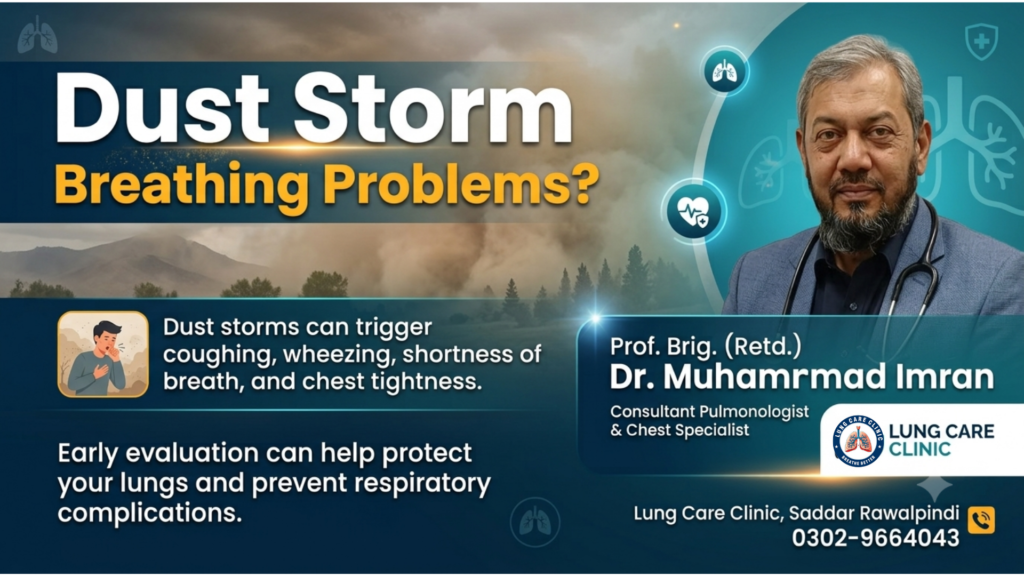
Dust Storm Breathing Problems are becoming increasingly common, particularly in regions where seasonal dust storms occur. Fine dust particles carried by strong winds can enter the nose, throat, and lungs, irritating the respiratory system and making breathing difficult. People with asthma, Chronic Obstructive Pulmonary Disease (COPD), allergies, or other lung conditions are especially vulnerable. However, even healthy individuals may experience coughing, throat irritation, or shortness of breath after exposure to heavy dust.
Understanding the causes, symptoms, and preventive measures for Dust Storm Breathing Problems can help protect your lungs and reduce the risk of serious respiratory complications.
What Are Dust Storm Breathing Problems?
Dust Storm Breathing Problems refer to respiratory symptoms that develop after inhaling dust particles during or after a dust storm. These tiny airborne particles can travel deep into the lungs, causing inflammation and irritation of the airways.
The severity of symptoms depends on the concentration of dust, the duration of exposure, and an individual’s overall lung health.
What Causes Dust Storm Breathing Problems?
Several factors contribute to Dust Storm Breathing Problems.
Fine Dust Particles
Dust storms contain microscopic particles that easily enter the respiratory tract. Once inhaled, these particles can irritate the airways and trigger breathing difficulties.
Allergens
Dust storms often carry pollen, mold spores, and other allergens. These substances can worsen allergic reactions and trigger asthma symptoms in sensitive individuals.
Air Pollution
Dust storms frequently combine with smoke, industrial emissions, and vehicle pollution. This combination increases the concentration of harmful airborne particles and places additional stress on the lungs.
Dry Air
Strong winds and dry air may irritate the lining of the nose, throat, and airways, making breathing uncomfortable and increasing coughing.
Who Is Most at Risk?
Dust Storm Breathing Problems can affect anyone, but some individuals are at greater risk.
These include:
- People with asthma
- Individuals with COPD
- Allergy sufferers
- Children
- Older adults
- Smokers
- People with chronic respiratory diseases
- Individuals who work outdoors
These groups should take extra precautions whenever dust storms occur.
Common Symptoms of Dust Storm Breathing Problems
Symptoms may appear immediately after exposure or develop over several hours.
Common symptoms include:
- Persistent cough
- Wheezing
- Shortness of breath
- Chest tightness
- Sore throat
- Sneezing
- Runny nose
- Eye irritation
- Difficulty taking deep breaths
- Fatigue due to breathing difficulty
For people with asthma or COPD, symptoms may become significantly worse during and after a dust storm.
How Dust Storms Affect Asthma and COPD
People living with asthma often experience narrowing of the airways when exposed to dust particles. This can trigger coughing, wheezing, and severe asthma attacks.
Similarly, individuals with COPD may notice increased breathlessness, excessive mucus production, and reduced exercise tolerance after dust exposure.
If symptoms suddenly worsen, prompt medical assessment is recommended.
Can Healthy People Be Affected?
Yes. Even individuals without chronic lung disease can develop temporary Dust Storm Breathing Problems after prolonged exposure.
Healthy people may experience:
- Irritated airways
- Dry cough
- Mild wheezing
- Temporary shortness of breath
- Throat irritation
Most symptoms improve after avoiding further exposure, but persistent breathing difficulties should always be evaluated.
How to Prevent Dust Storm Breathing Problems
Fortunately, several practical steps can reduce your risk.
Stay Indoors
Remain indoors whenever dust storm warnings are issued. Keep windows and doors closed to reduce indoor dust exposure.
Wear a Protective Mask
If you must go outside, wear a properly fitted mask capable of filtering fine dust particles.
Keep Indoor Air Clean
Use air conditioning or air purifiers when available. Clean surfaces regularly to prevent dust accumulation inside the home.
Stay Hydrated
Drinking adequate water helps keep the respiratory passages moist and may reduce throat irritation.
Follow Your Treatment Plan
Individuals with asthma or COPD should continue taking prescribed medications and keep rescue inhalers readily available.
When Should You Seek Medical Attention?
While mild symptoms often improve after dust exposure ends, certain warning signs require immediate medical evaluation.
Consult a pulmonologist if you experience:
- Persistent shortness of breath
- Severe wheezing
- Chest tightness that worsens
- Continuous coughing lasting several days
- Coughing up blood
- Difficulty speaking because of breathlessness
- Bluish lips or fingertips
- High fever together with respiratory symptoms
Ignoring these symptoms may allow serious respiratory conditions to worsen.
How Can a Pulmonologist Help?
A pulmonologist specializes in diagnosing and treating diseases affecting the lungs and respiratory system.
Depending on your symptoms, evaluation may include:
- Detailed medical history
- Physical examination
- Chest X-ray
- Lung function testing (Spirometry)
- Allergy assessment
- Additional investigations when necessary
Once the underlying cause is identified, an individualized treatment plan can help improve breathing, reduce symptoms, and prevent future flare-ups.
Dust Storm Breathing Problems should never be ignored, especially if they occur repeatedly or worsen existing respiratory conditions. Dust storms can trigger coughing, wheezing, chest tightness, and shortness of breath by irritating the airways and carrying allergens and pollutants deep into the lungs. Taking preventive measures, limiting outdoor exposure, and seeking timely medical care can significantly reduce the risk of complications.
If you experience persistent cough, wheezing, shortness of breath, or other respiratory symptoms after a dust storm, consult Prof. Brig. (Retd.) Dr. Muhammad Imran for expert evaluation and personalized respiratory care.
Prof. Brig. (Retd.) Dr. Muhammad Imran
Consultant Pulmonologist & Chest Specialist
Lung Care Clinic, Saddar Rawalpindi
0302-9664043