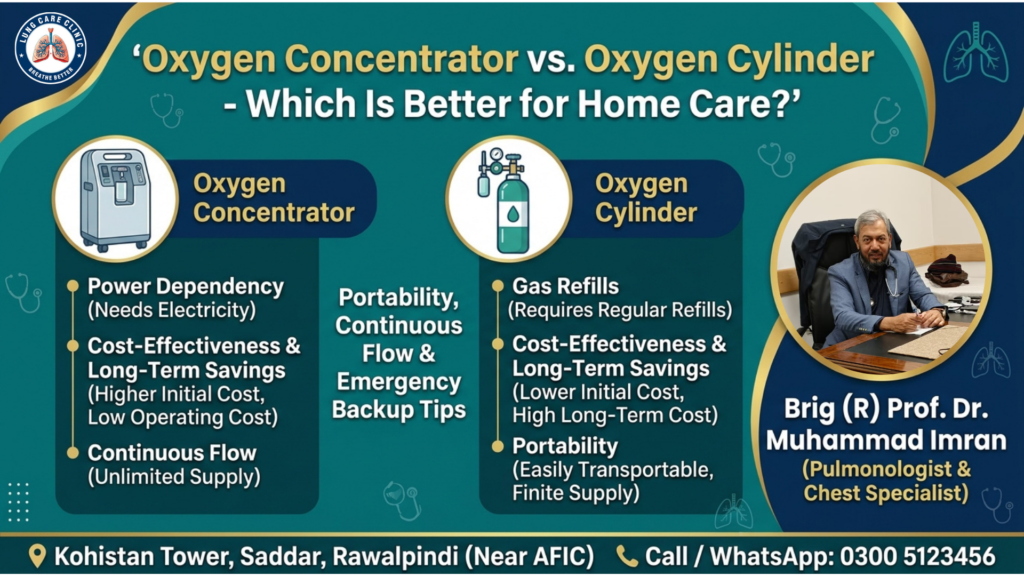
When managing chronic respiratory conditions at home, patients and caregivers frequently face a critical decision. Specifically, choosing the right oxygen delivery system impacts daily comfort. The debate involving an oxygen concentrator vs oxygen cylinder truly comes down to lifestyle, medical requirements, convenience, and safety. Both medical oxygen machines and home oxygen cylinders serve the primary purpose of providing supplemental oxygen, yet they operate on entirely different mechanisms. Furthermore, understanding these unique differences ensures that patients receive continuous, reliable respiratory care.
What Is an Oxygen Concentrator?
An oxygen concentrator represents an electrically powered medical device. Manufacturers design these units to extract nitrogen from ambient room air, purify it, and deliver high-purity oxygen via a nasal cannula or mask. Because the machine draws from surrounding air, it never technically runs out of oxygen. Consequently, this device remains an exceptionally popular choice for long-term home care.
Key Advantages of Oxygen Concentrators
- Continuous Supply: As long as electricity flows steadily, the machine continuously produces oxygen without requiring frequent tank replacements or refills.
- Cost-Effectiveness Over Time: Although initial purchase prices run higher, this system eliminates recurring logistics costs associated with refilling gas tanks.
- Low Maintenance: Modern home concentrators require minimal upkeep beyond washing or replacing air intake filters periodically.
- Safety Profile: Unlike high-pressure gas cylinders, concentrators store zero volumes of pressurized gas under extreme force, thus reducing potential handling hazards.
Limitations to Consider
- Power Dependency: Concentrators strictly require electricity to function. During severe load-shedding or unexpected power outages, families must arrange backup solutions like small cylinders or generators.
- Noise Output: Standard home medical oxygen machines generate a low hum during operation, which might occasionally disturb light sleepers.
- Bulkiness: Traditional stationary units remain heavy, although manufacturers usually fit them with caster wheels for easier movement.
What Is an Oxygen Cylinder?
An oxygen cylinder constitutes a traditional metal tank pre-filled with compressed medical-grade oxygen gas under high pressure. Regulators attached directly to the tank strictly control the flow rate delivered to the patient. Medical professionals widely recognize these tanks as the traditional standard for emergency backup and mobile use.
Key Advantages of Oxygen Cylinders
- Zero Power Requirement: Cylinders operate entirely independently of electricity or batteries, rendering them 100% reliable during blackouts.
- Portability: Smaller portable oxygen cylinders easily mount on wheelchairs or fit inside specialized transport bags.
- Instant Delivery: Tanks deliver a pure, immediate burst of high-concentration oxygen without any mechanical delay.
- Silent Operation: Cylinders release gas silently through regulators, ensuring a completely quiet environment.
Limitations to Consider
- Finite Capacity: Tanks contain a fixed amount of compressed gas that eventually empties, requiring regular gauge monitoring and scheduled refills.
- Refill Logistics: Transporting heavy tanks to local medical suppliers for refilling proves physically demanding for caregivers.
- High Pressure Hazards: Storing high-pressure containers demands strict safety protocols, keeping them far away from open flames and grease.
Direct Comparison – Oxygen Concentrator vs Oxygen Cylinder
| Feature | Oxygen Concentrator | Oxygen Cylinder |
|---|---|---|
| Power Source | Electricity (AC power / Backup battery) | None (Compressed gas under pressure) |
| Oxygen Supply | Unlimited (as long as powered) | Limited (runs out based on tank size) |
| Portability | Heavy stationary units; lighter models exist | Highly portable in small sizes |
| Maintenance | Regular filter cleaning and servicing | Periodic hydro-testing and valve checks |
| Noise Level | Low mechanical hum (approx. 40–50 dB) | Completely silent |
| Best Suited For | Daily long-term indoor home care | Emergency backup and travel |
Which System Is Better for Your Home Care Needs?
Choosing between a medical oxygen machine and a traditional tank depends heavily on daily routines and infrastructure reliability.
When to Choose an Oxygen Concentrator
If patients require long-term, continuous daily oxygen therapy indoors, a stationary oxygen concentrator represents the most practical investment. It completely removes the stress of monitoring tank levels.
When to Choose an Oxygen Cylinder
For patients who experience frequent power instability or require mobility outside, maintaining at least one backup cylinder is essential. Consequently, many families adopt a hybrid model.
Professional Medical Guidance in Rawalpindi
Selecting correct respiratory equipment requires a personalized medical evaluation. Therefore, professional consultation remains invaluable. Patients seeking specialized pulmonary care can consult Brig (R) Prof. Dr. Muhammad Imran, a renowned pulmonologist heading Lung Care Clinic. Located at Kohistan Tower in Saddar, Rawalpindi, the facility offers comprehensive respiratory evaluations.
Frequently Asked Questions
Can an oxygen concentrator run 24/7?
Yes, most standard home medical oxygen concentrators safely support continuous operation in well-ventilated spaces.
Do I need a prescription?
Yes, physicians must prescribe exact flow rates and durations.
How do I know when a cylinder runs low?
Users monitor the attached pressure gauge continuously.
For professional advice, visit Lung Care Clinic in Saddar, Rawalpindi.