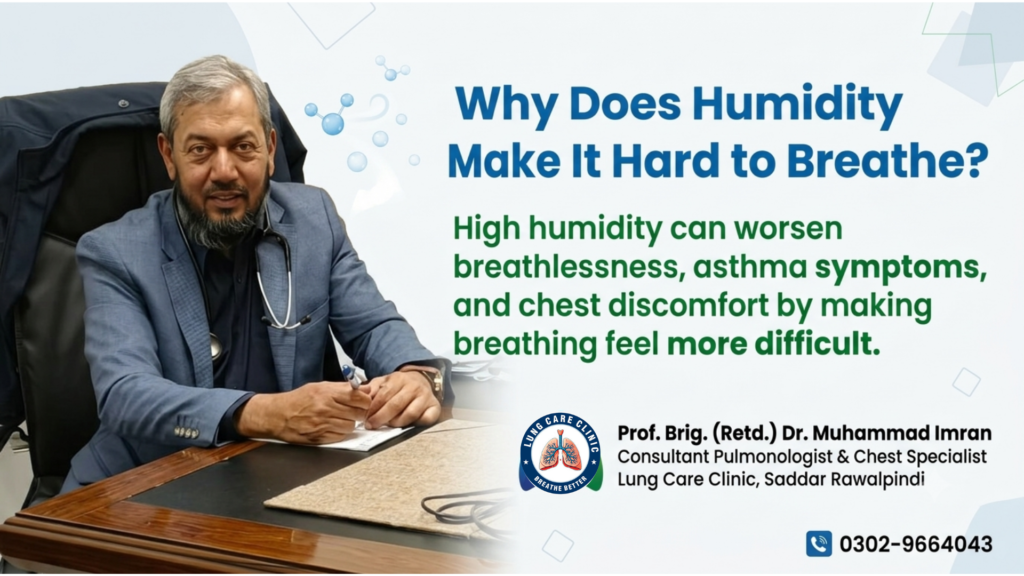
Many people notice that breathing becomes more difficult during humid weather. If you often feel short of breath, experience chest discomfort, or notice worsening asthma symptoms when humidity levels rise, you are not alone. Humidity breathing problems are a common concern, especially during the summer months when the air contains higher amounts of moisture.
Understanding how humidity affects your lungs can help you take the right steps to protect your respiratory health.
What Is Humidity?
Humidity refers to the amount of water vapor present in the air. When humidity levels are high, the air feels heavier and warmer because it contains more moisture. While humid air itself is not harmful for most healthy individuals, it can create breathing difficulties for people with asthma, chronic bronchitis, COPD, allergies, and other respiratory conditions.
Why Does High Humidity Make Breathing Difficult?
When the air is highly humid, your body has to work harder to cool itself. At the same time, the lungs may struggle to exchange oxygen efficiently because moist air can feel dense and heavy.
High humidity can also cause the airways to become irritated or inflamed, leading to symptoms such as:
- Shortness of breath
- Chest tightness
- Wheezing
- Persistent coughing
- Increased mucus production
- Fatigue during physical activity
For people with pre-existing lung diseases, these symptoms can become significantly worse during periods of high humidity.
Humidity and Asthma
Asthma patients are particularly sensitive to humid weather. High moisture levels in the air can trigger airway inflammation and make breathing more difficult. Humid conditions may also encourage the growth of mold, dust mites, and other allergens that can trigger asthma attacks.
Common signs that humidity is affecting asthma include:
- Increased wheezing
- Frequent use of inhalers
- Night-time coughing
- Difficulty exercising outdoors
- Tightness in the chest
If asthma symptoms worsen repeatedly during humid weather, a medical evaluation may be necessary to optimize treatment.
Humidity and COPD
Individuals with Chronic Obstructive Pulmonary Disease (COPD) often report worsening symptoms when humidity levels rise. The combination of heat and moisture can increase the workload on already compromised lungs.
Symptoms may include:
- Severe breathlessness
- Reduced exercise tolerance
- Increased coughing
- Excess mucus production
- General discomfort while outdoors
Patients with COPD should monitor weather conditions carefully and avoid prolonged outdoor exposure during extremely humid days.
Who Is Most at Risk?
Humidity breathing problems can affect anyone, but certain groups are more vulnerable:
- Asthma patients
- COPD patients
- Elderly individuals
- Children with respiratory conditions
- People with allergies
- Individuals recovering from respiratory infections
These individuals should pay extra attention to changes in weather and seek medical advice if symptoms worsen.
Tips to Reduce Humidity-Related Breathing Problems
The following measures may help reduce respiratory discomfort during humid weather:
- Stay indoors during peak heat and humidity.
- Use air conditioning when possible.
- Keep indoor humidity levels under control.
- Stay well hydrated.
- Avoid strenuous outdoor activities during humid periods.
- Follow prescribed asthma or COPD medications regularly.
- Monitor air quality and weather forecasts.
If symptoms become severe or persistent, consult a qualified chest specialist for further evaluation.
When Should You See a Doctor?
Occasional discomfort during humid weather may not be serious, but recurring breathing difficulties should never be ignored.
Seek medical attention if you experience:
- Persistent shortness of breath
- Frequent wheezing
- Chronic cough
- Chest tightness
- Difficulty performing daily activities
- Worsening asthma or COPD symptoms
Early diagnosis can help prevent complications and improve quality of life.
Expert Respiratory Care in Rawalpindi
If you are experiencing humidity breathing problems, asthma symptoms, chronic cough, or unexplained shortness of breath, professional assessment can help identify the underlying cause and provide effective treatment.
Prof. Brig. (Retd.) Dr. Muhammad Imran
Consultant Pulmonologist & Chest Specialist
Lung Care Clinic, Saddar Rawalpindi
0302-9664043
Timely respiratory evaluation can help you breathe easier and maintain better lung health throughout the year.