What Is the Difference Between Latent TB and Active TB?
Latent TB vs active TB is an important distinction because the two conditions can have very different effects on a person’s health and the risk of spreading tuberculosis.
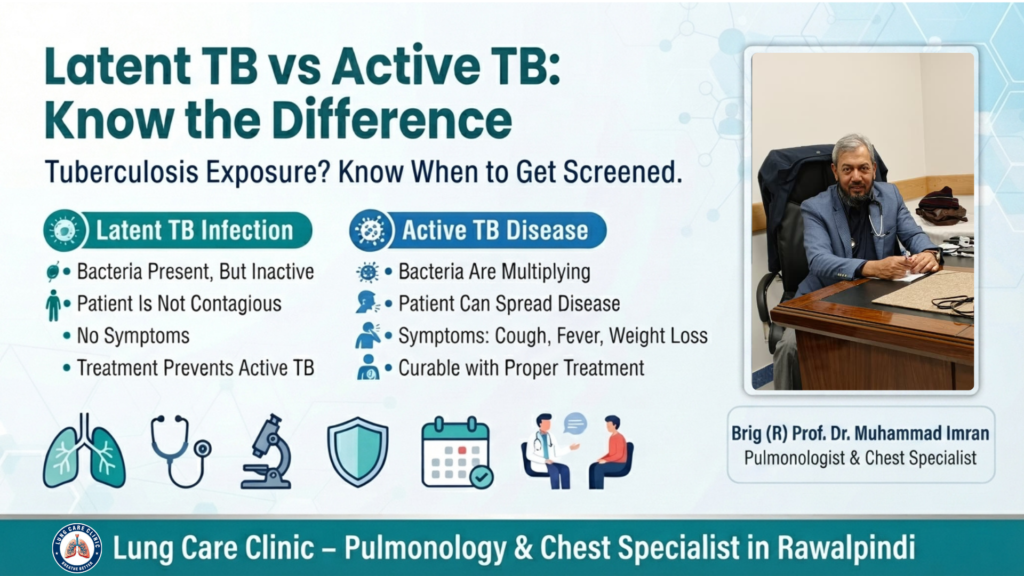
Latent TB, also called latent tuberculosis infection, occurs when a person has been infected with TB bacteria but does not have active TB disease. People with latent TB generally do not have symptoms and cannot spread TB bacteria to others.
Active TB occurs when TB bacteria become active and multiply, causing disease. When active TB affects the lungs, a person may develop symptoms such as a persistent cough, fever, night sweats, fatigue, weight loss, or coughing blood. Pulmonary TB can also be contagious and may spread through the air.
Understanding this difference is particularly important after tuberculosis exposure or when someone has risk factors for TB.
What Is Latent TB?
Latent TB means that TB bacteria are present in the body, but the immune system is keeping them under control.
A person with latent TB usually:
- Has no symptoms
- Does not feel sick because of TB
- Does not have active TB disease
- Usually cannot spread TB to other people
However, latent TB can become active TB in some people, particularly if the immune system becomes weakened.
The risk of progression can depend on factors such as recent TB infection, certain medical conditions, medications that suppress the immune system, and other individual circumstances.
For this reason, identifying latent TB can be important, especially in people who have recently been exposed to someone with infectious TB.
What Is Active TB?
Active TB develops when TB bacteria multiply and cause disease.
TB can affect different parts of the body, but the lungs are a common site. When TB affects the lungs, symptoms may include:
- Persistent cough
- Chest discomfort
- Fever
- Night sweats
- Unexplained weight loss
- Fatigue
- Reduced appetite
- Coughing up blood in some cases
Symptoms may develop gradually, and some people may initially overlook them.
Active pulmonary TB can be infectious. Therefore, someone with symptoms suggestive of TB should seek medical evaluation rather than delaying assessment.
Latent TB vs Active TB: Key Differences
The main difference is whether the TB bacteria are causing active disease.
| Feature | Latent TB | Active TB |
| Symptoms | Usually absent | Often present |
| TB disease | No | Yes |
| Bacteria multiplying | Controlled | Active |
| Spread to others | Usually no | Pulmonary TB can spread |
| Chest X-ray | Often normal | May show abnormalities |
| Further evaluation | May be needed | Usually required |
| Treatment | May prevent active disease | Required to treat active disease |
These differences are important, but a positive TB screening test alone does not necessarily tell you whether you have latent or active TB.
Additional evaluation may be necessary.
What Happens After Tuberculosis Exposure?
Tuberculosis exposure means that a person has spent time around someone who has infectious TB, particularly pulmonary TB.
If you have been exposed, your healthcare provider may recommend TB screening depending on the circumstances.
The timing of testing can matter because the immune response detected by some TB tests may take time to develop after infection.
A healthcare professional can determine which test is appropriate and whether repeat testing is needed based on when the exposure occurred and your individual risk.
If exposure was recent, do not assume that a negative initial test completely rules out infection.
Who Should Consider TB Screening?
TB screening may be recommended for people with certain risk factors or possible exposure.
This can include individuals who:
- Have had close contact with someone with infectious TB
- Have recently arrived from areas where TB is common
- Work or live in settings where TB transmission is more likely
- Have certain medical conditions that increase the risk of TB
- Take medications that weaken the immune system
- Have previously been identified as having TB infection
Screening decisions should be individualized. Your healthcare professional can assess your exposure history and determine the appropriate next step.
How Is Latent TB Diagnosed?
Latent TB is generally identified through TB infection testing.
Common tests include a tuberculin skin test and TB blood tests known as interferon-gamma release assays, or IGRAs.
A positive test indicates TB infection but does not by itself prove that a person has active TB disease.
If the test is positive, further assessment may be needed to determine whether active TB is present.
This may involve reviewing symptoms, medical history, performing a physical examination, and using chest imaging or other tests when appropriate.
How Is Active TB Diagnosed?
Active TB requires a more detailed evaluation.
Depending on the symptoms and suspected site of infection, assessment may include:
- Medical history and physical examination
- Chest X-ray
- Chest CT when clinically appropriate
- Sputum testing
- Molecular testing
- TB culture
- Other laboratory investigations
For suspected pulmonary TB, sputum examination can be particularly important.
The exact tests depend on the patient’s symptoms and clinical situation.
Can Latent TB Become Active?
Yes. Latent TB can become active TB, although not everyone with latent infection develops active disease.
The immune system normally helps keep TB bacteria under control. If immune defenses become weaker, the bacteria may become active.
Certain conditions and treatments can increase this risk.
Therefore, people diagnosed with latent TB should discuss their individual risk and treatment options with a qualified healthcare professional.
Is Active TB Contagious?
Active TB is not always contagious. The risk of transmission depends largely on where TB is located and whether it is infectious.
Pulmonary or laryngeal TB can spread through the air when an infectious person coughs, speaks, or sneezes.
TB affecting other parts of the body is generally less likely to spread directly from person to person.
If active pulmonary TB is suspected, medical evaluation should not be delayed. Appropriate precautions and treatment can help reduce the risk of transmission.
How Is TB Treated?
Treatment depends on whether a person has latent TB infection or active TB disease.
Latent TB treatment is intended to reduce the risk of developing active disease. Several treatment options may be available, and the appropriate regimen depends on factors such as age, medications, other health conditions, and the likelihood of drug-resistant TB.
Active TB requires a carefully selected combination of anti-TB medicines. Treatment usually involves multiple medications and requires medical supervision.
It is important to follow the prescribed treatment plan carefully. Stopping treatment early or taking medicines incorrectly can make treatment more difficult and may contribute to drug resistance.
When Should You See a TB Specialist?
Consider medical evaluation if you have had significant tuberculosis exposure, tested positive for TB infection, or developed symptoms that could indicate active TB.
Persistent cough, unexplained weight loss, fever, night sweats, chest discomfort, or coughing blood should not be ignored.
A pulmonologist can evaluate your symptoms, review your exposure history, and determine whether TB testing or additional investigations are appropriate.
TB Screening and Respiratory Care in Rawalpindi
Understanding latent TB vs active TB can help people recognize why screening and follow-up are important after tuberculosis exposure.
Latent TB usually causes no symptoms and is not generally contagious, while active TB can cause illness and, when it affects the lungs, may spread to others. However, symptoms alone cannot confirm TB. Proper testing and medical assessment are needed.
At Lung Care Clinic – Pulmonology & Chest Specialist in Rawalpindi, Brig (R) Prof. Dr. Muhammad Imran, Pulmonologist & Chest Specialist, provides specialist evaluation of respiratory conditions and concerns related to tuberculosis exposure and lung health.
Kohistan Tower, Mahfooz Road, Saddar, Rawalpindi
0302 9664043
If you have been exposed to tuberculosis or have persistent respiratory symptoms, seek appropriate medical evaluation. Early assessment can help distinguish TB infection from active disease and guide the next steps in care.
Important: TB can be serious and requires proper medical diagnosis and treatment. This article provides general information and should not replace an individual medical assessment.